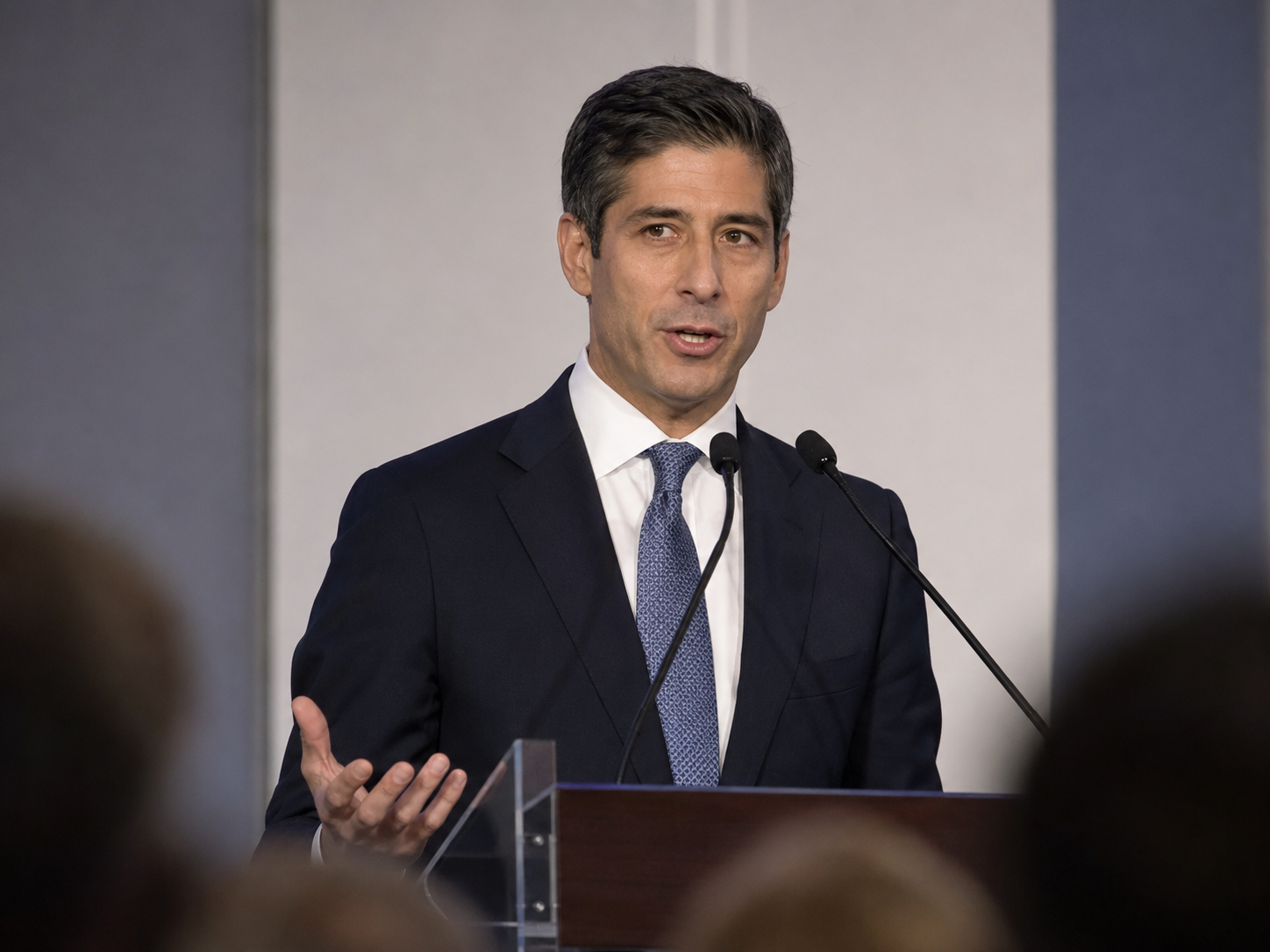
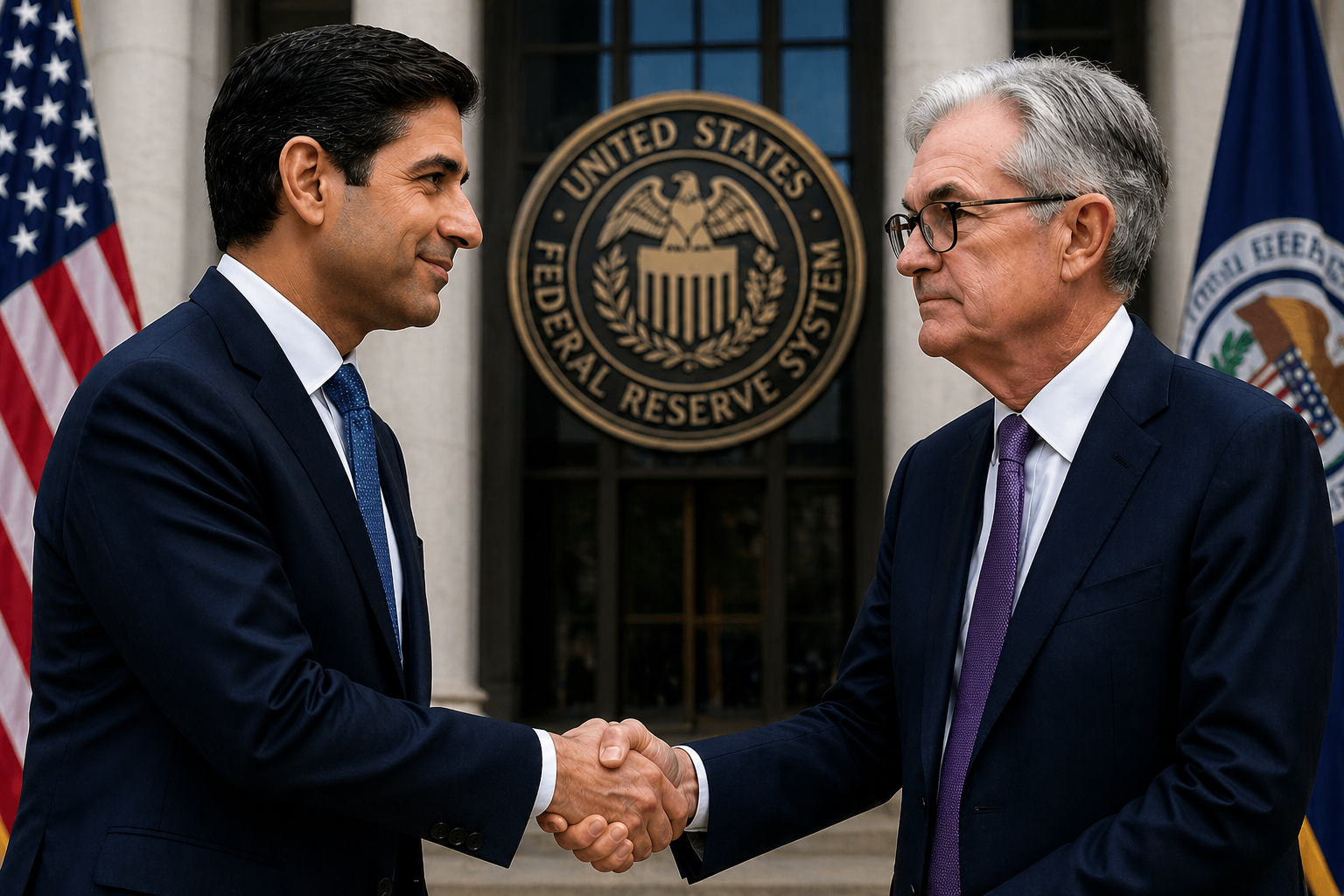
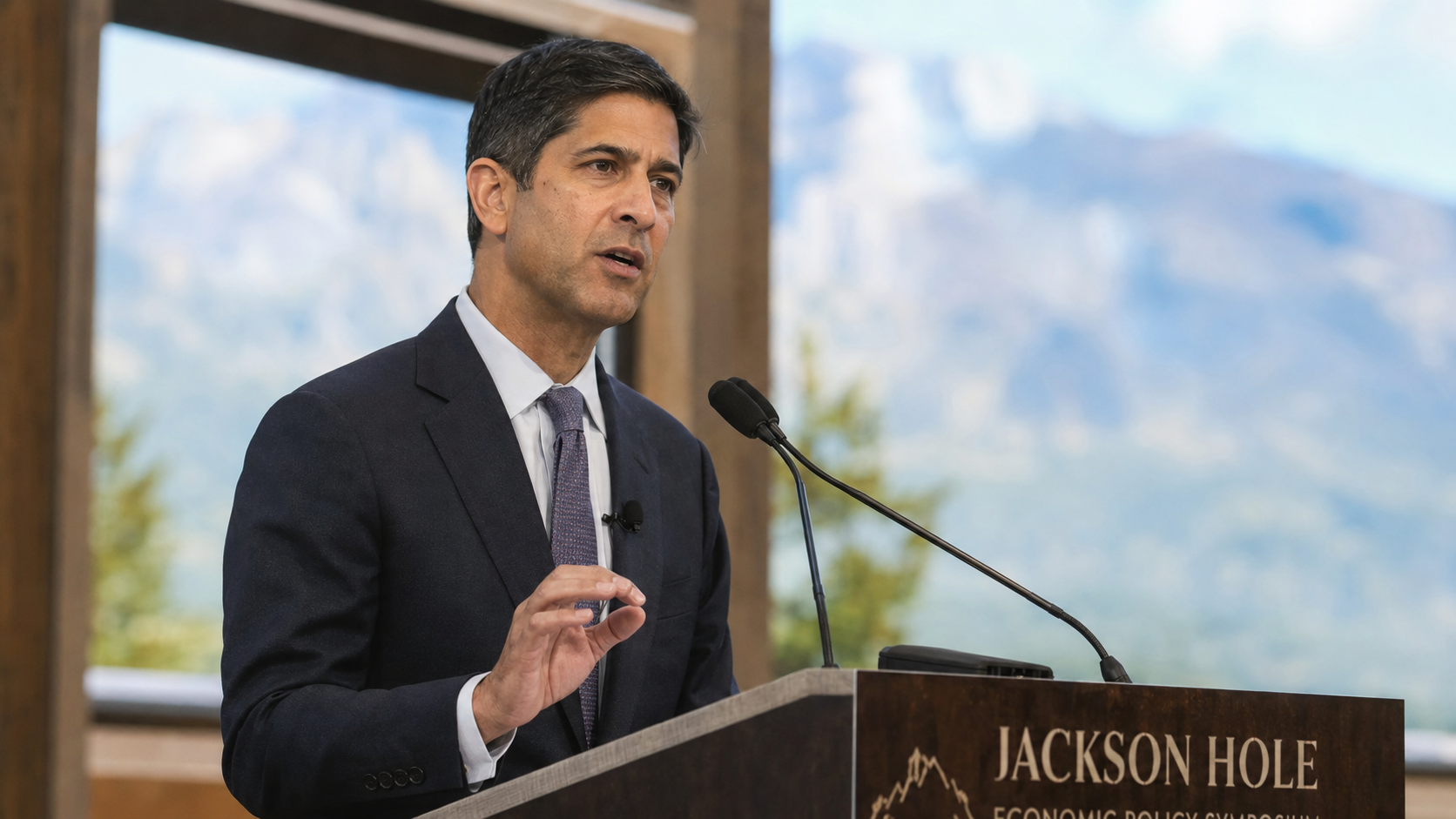
Kevin Warsh just delivered his first speech at Jackson Hole — the annual gathering of the world’s most powerful central bankers in the Wyoming mountains — and the message was unmistakable. The Fed is not done. And the housing market, which has spent the entire summer quietly correcting itself, is now staring down the possibility […]
continue reading
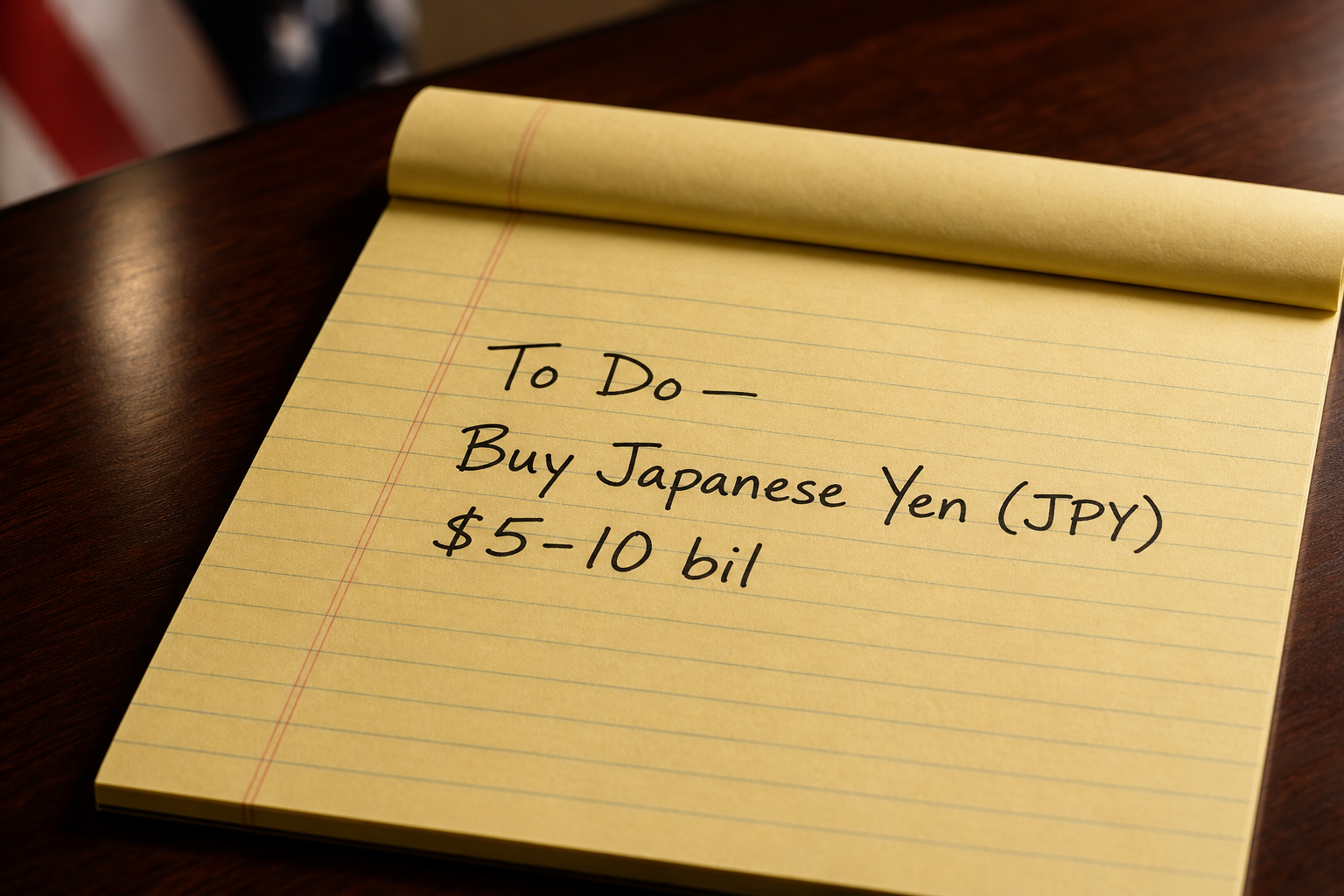
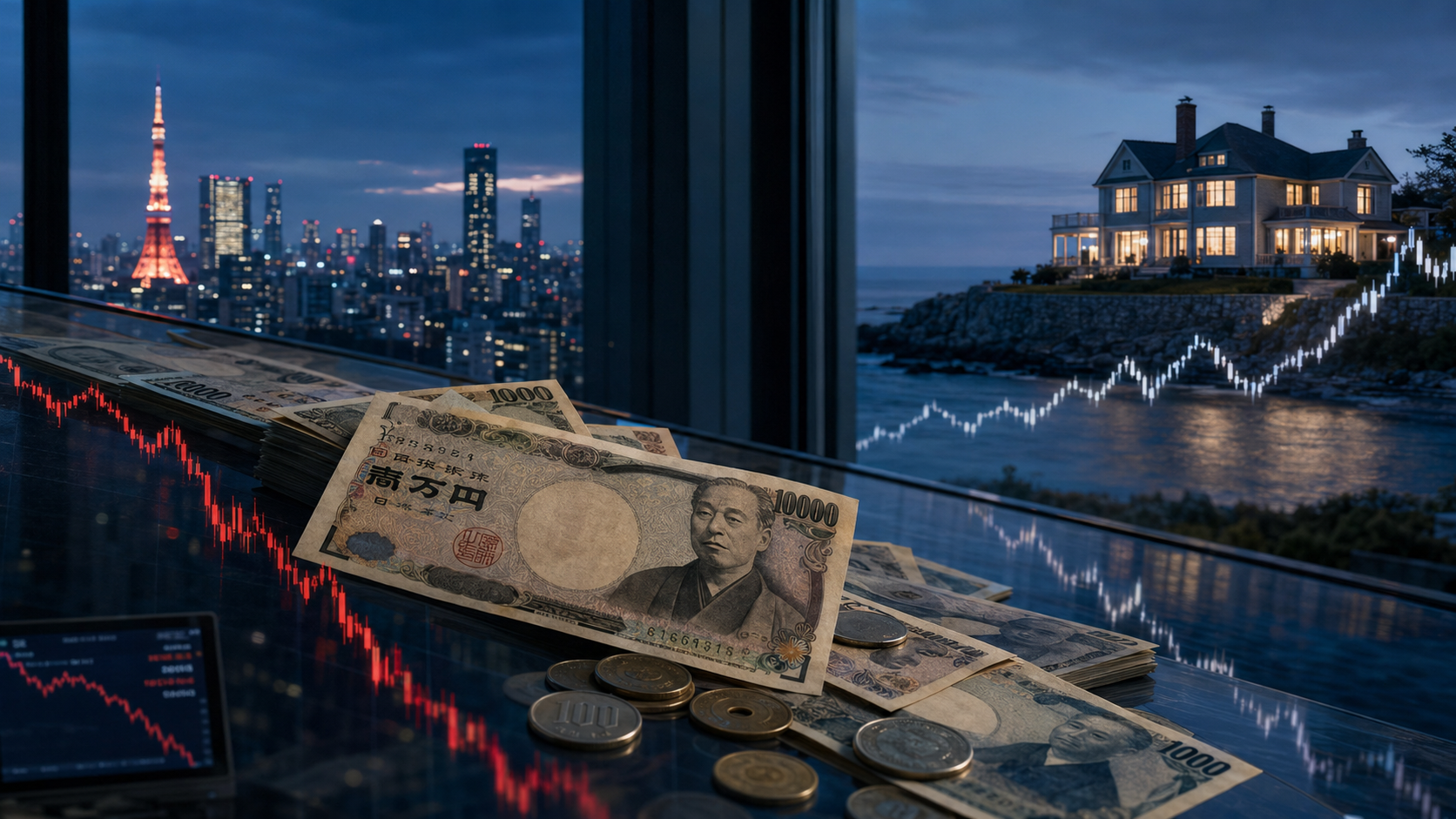
Last week I wrote about Japan quietly pulling $30 billion out of the US Treasury market in a single quarter — and why that, not the Federal Reserve, is the real force keeping your mortgage rate elevated. I did not expect the story to get more dramatic within days of publishing it. On July 31st, […]
continue reading
Every conversation about mortgage rates starts the same way. The Fed raised rates. The Fed is holding rates. The Fed might raise rates again. It is all Fed, all the time — as if Jerome Powell’s successor Kevin Warsh is the single lever controlling the cost of borrowing in America. He is not. And if […]
continue reading
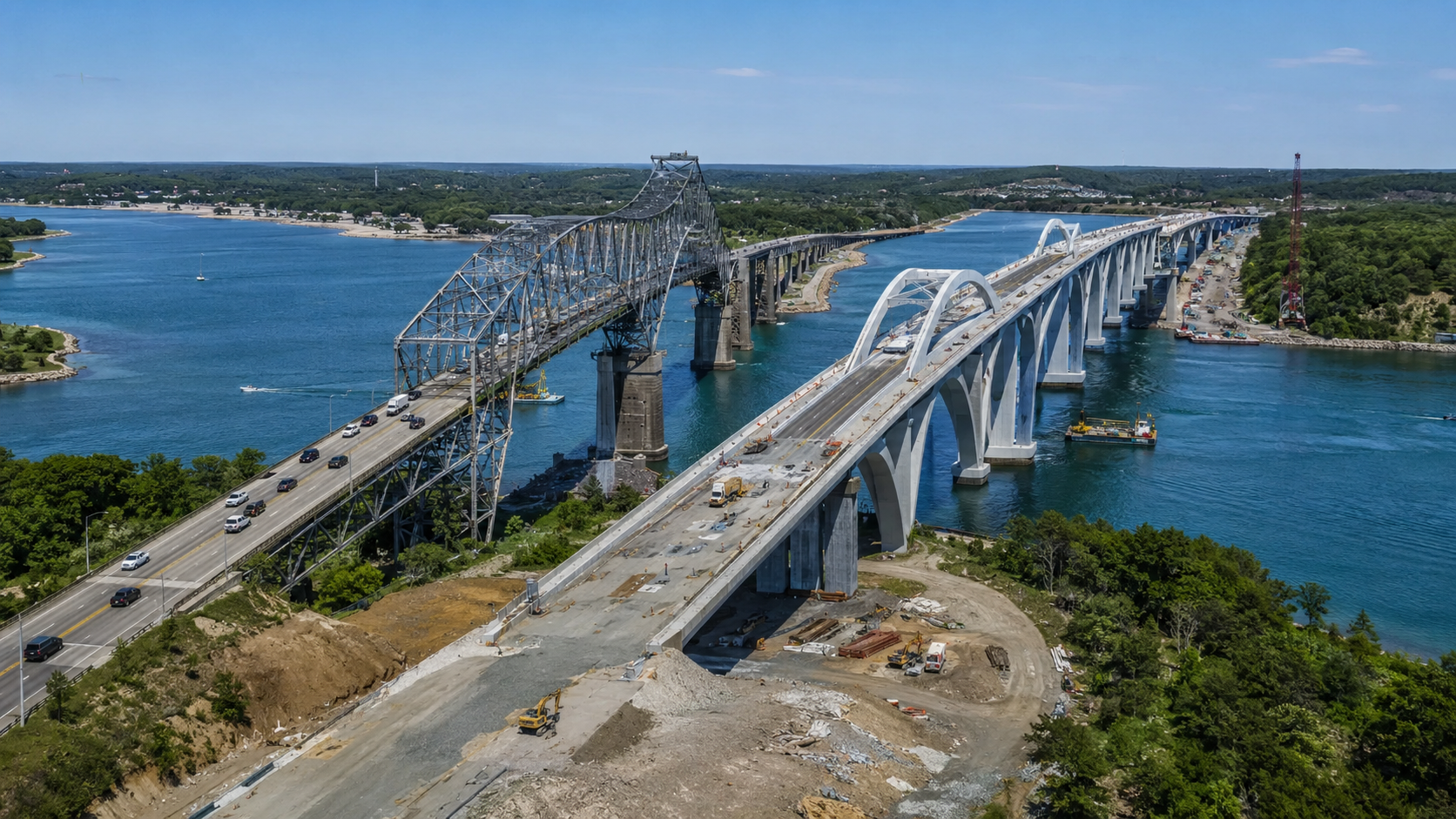
Construction on the new Sagamore Bridge is set to begin in late 2027. That is no longer a rumor or a projection. MassDOT has completed foundation load testing, is finalizing the selection of the design-build contractor, and expects to award a construction contract by the end of this year. The crane you saw looming over […]
continue reading
Last week I wrote that the easy market was over. That prices were falling, inventory was rising, and the Fed had threatened to make it worse. I did not expect to be back this week with an even harder message. Yesterday, President Trump declared the Iran ceasefire “over.” US forces struck Kharg Island — Iran’s […]
continue reading
Griffin Realty Group, 2026
I want to talk about something I have been watching for several months — something that is showing up in my conversations with buyers, in sellers’ behavior, and in the competitive intelligence I get from firms across the market. The data is just now confirming what experienced agents have been feeling since early spring. The […]
continue reading
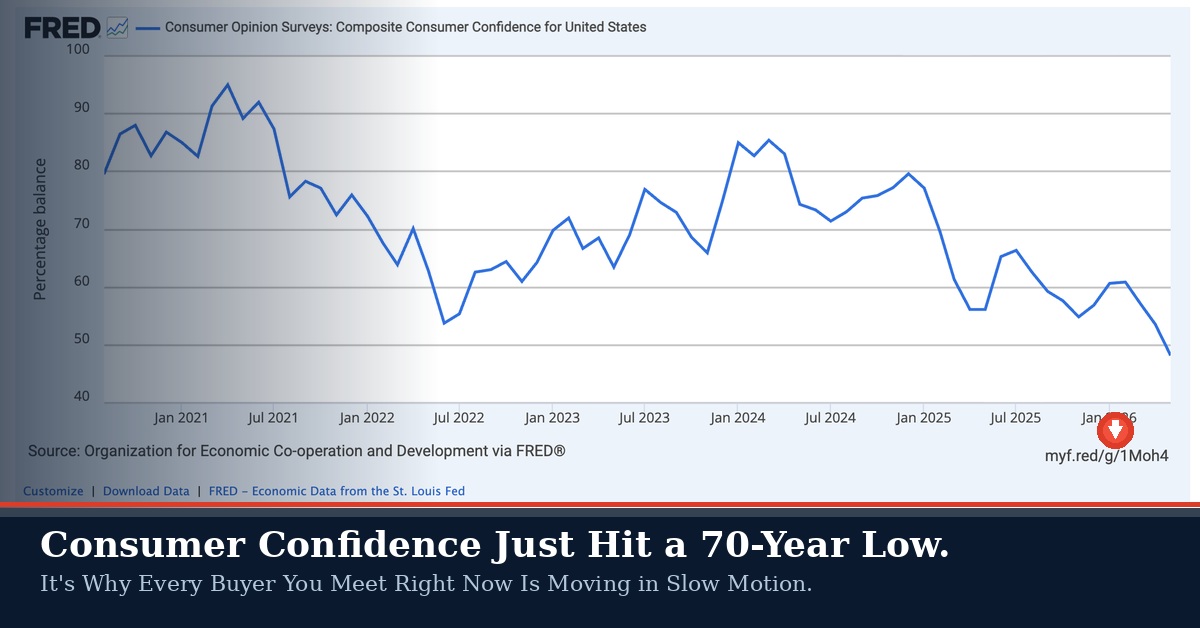
There is a chart I want you to look at before we talk about anything else. It is the OECD Composite Consumer Confidence Index for the United States, sourced from the Federal Reserve’s FRED database. It tracks how Americans feel about the economy, their finances, and their prospects — going back to the early 1960s. […]
continue reading
Kevin Warsh held his first press conference as Federal Reserve Chair this afternoon. Markets did not like what they heard. The Dow dropped over 500 points. The S&P fell more than 1%. Two-year Treasury yields jumped 16 basis points — the highest level in over a year. The dollar surged. Gold cratered. And if you […]
continue reading
Something shifted today—and it wasn’t just the decision to hold rates steady. When Jerome Powell kept policy unchanged at the Federal Reserve, that part was expected. What wasn’t expected—and what the market is really reacting to—is the growing sense that the Fed itself is no longer fully aligned. And when the Fed loses alignment, the […]
continue reading
iQoncept via Shutterstock
Not long ago, the mood across both Wall Street and Main Street felt heavy. A sharp drop in the stock market—sparked by war headlines and rising global tension—shook investor confidence. At the same time, a long, blustery winter in the Northeast didn’t just freeze the ground… it slowed people down. Showings were lighter. Buyers hesitated. […]
continue reading

 See photos and updates from listings directly in your feed
 Share your favorite listings with friends and family
 Save your search and get new listings directly in your mailbox before everybody else