 See photos and updates from listings directly in your feed
 Share your favorite listings with friends and family
 Save your search and get new listings directly in your mailbox before everybody else
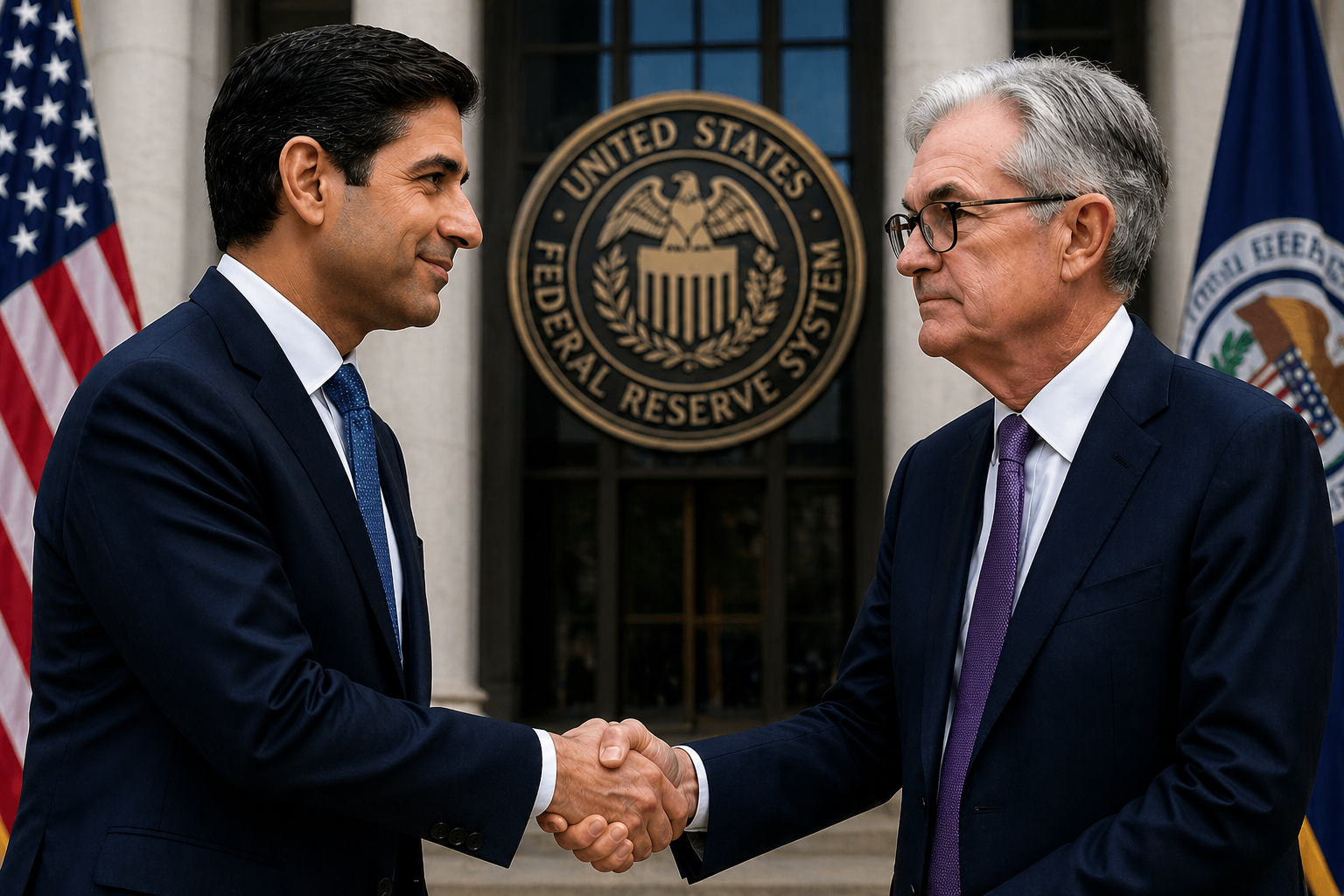
Something shifted today—and it wasn’t just the decision to hold rates steady. When Jerome Powell kept policy unchanged at the Federal Reserve, that part was expected. What wasn’t expected—and what the market is really reacting to—is the growing sense that the Fed itself is no longer fully aligned. And when the Fed loses alignment, the market loses clarity.
“Mortgage rates don’t follow the Fed — they follow the bond market.”
You can feel it in the tone. Inflation is still hanging around just enough to keep pressure on policy. The economy hasn’t cracked the way many expected. And global issues—energy prices, geopolitical tension—are muddying what used to be a cleaner read on the data. The result is a Fed that feels less decisive, more cautious… almost like it’s waiting. And markets don’t wait well.
Now, enter Kevin Warsh. His arrival isn’t just a name change at the top—it’s a potential shift in mindset. He’s been vocal about the need to rethink how the Fed operates, and that has people jumping to one conclusion: lower rates are coming. But that leap is way too aggressive. Warsh steps into the same reality Powell faced—sticky inflation, resilient growth, and a bond market that ultimately sets the long-term rates. Changing the Chair doesn’t magically change those conditions.
“A new Fed Chair doesn’t mean lower rates — it means a new interpretation of the same problems.”
And this is where most people get tripped up, especially in real estate. Mortgage rates don’t follow the Fed—they follow the bond market. Specifically, the 10-year Treasury yield. That yield is driven by inflation expectations and confidence in the Fed, not just the Fed Funds Rate itself. So even if the Fed eventually moves toward cuts, it doesn’t guarantee mortgage rates fall in lockstep. That’s the disconnect that’s been frustrating buyers and sellers for the past two years.
Right now, the most honest read is this: rates are stuck in a volatile range, not on a clean downward path. There will be moments where they dip, moments where they spike, and a lot of noise in between. That’s because the market is trying to price in a future that suddenly feels less predictable. Under Powell, you had a clearer framework. Under Warsh, at least initially, you’ll have more interpretation, more reaction, more adjustment. In other words, more volatility.
“This isn’t a falling-rate market — it’s a volatile-rate market.”
Looking ahead, there are really two ways this plays out. In the cleaner scenario, inflation continues to ease, the economy softens just enough, and Warsh guides a gradual shift toward lower rates. In that environment, Treasury yields drift down, and mortgage rates follow, slowly but meaningfully. That’s the outcome the market wants. But there’s another path that doesn’t get talked about enough. If investors start to question the Fed’s consistency—or worse, its independence—then inflation expectations can stay elevated. And when that happens, long-term rates stay higher, even if the Fed starts cutting short-term rates. That’s the trap.
So what does this mean for real estate right now? It means we’re no longer in a market where you can just wait for rates to “come back down” and solve everything. That clean reset may not come the way people expect. Instead, we’re in a market where opportunity shows up in moments—short windows where rates dip, confidence improves, and deals get done. The people who win in this environment aren’t the ones waiting for perfect conditions—they’re the ones who understand what’s actually driving the movement.
Step back and look at the bigger picture. This isn’t just Powell leaving and Warsh arriving. It’s a shift from clarity to uncertainty. And while that makes headlines even more confusing, it also creates openings for people who know how to read between the lines.


