MargJohnsonVA via Shutterstock
Buyers everywhere are asking the same question: Should I wait for rates to fall before buying?To answer that, let’s look at what actually happens when you slide the rate—not the price. What-If Your Rate Changed by Just 1%? Here’s how a small shift in the 30-year mortgage rate changes the principal and interest payment (P&I […]
continue reading
iQoncept via Shutterstock
You’ve probably heard it everywhere: “I’m just waiting for rates to come down before I buy.” But here’s the truth — even though the Federal Reserve has started cutting interest rates, mortgage rates have actually gone up, not down. That might sound backward, but it’s not unusual. And it’s precisely why savvy buyers — the […]
continue reading
Doubletree Studio via Shutterstock
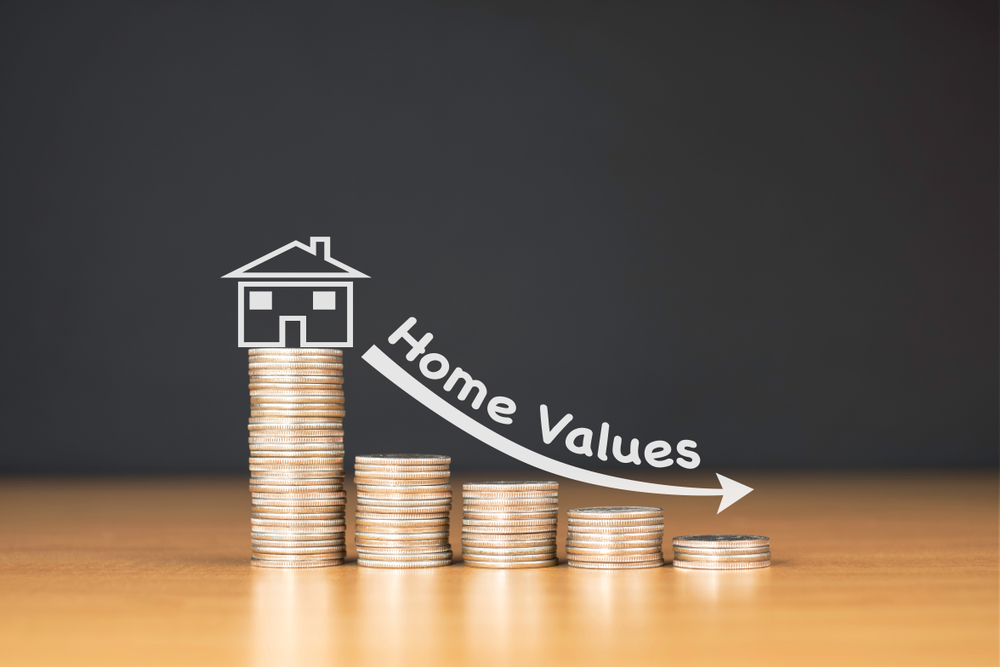
For years, home prices across the country have seemed unstoppable. But the Case-Shiller Home Price Index — one of the main ways economists track housing values — is starting to show something different: signs that the national market may be slowing down. Across the U.S., prices are still higher than they were a year ago, […]
continue reading

Shutterstock
The Federal Reserve just lowered its benchmark interest rate by 25 basis points (0.25%). For many homeowners, that headline sounds like the start of another wave of bidding wars and skyrocketing prices. After all, lower rates mean more buyers can afford to borrow—right? Not so fast. Mortgage Rates Already Knew This Was Coming Mortgage rates […]
continue reading

Thewsila via Shutterstock
Introduction: The Myth of Rate Cuts as a Cure-All Whenever the Federal Reserve signals that rate cuts are forthcoming, markets and media often assume that it will immediately translate into cheaper mortgages, stronger housing demand, and an economic revival. But this assumption overlooks two crucial realities: (1) today’s housing affordability crisis is driven far more […]
continue reading

ProfessorWerner.org
Conventional wisdom says that when the Federal Reserve cuts interest rates, the housing market breathes a sigh of relief—mortgage rates fall, buyers rush in, and prices hold steady. But economist Richard Werner has spent decades challenging this assumption. His research shows that interest rates don’t lead the economy—they follow it. When growth slows, rates fall […]
continue reading
In a week marked by political theater and economic uncertainty, the Federal Reserve held interest rates steady at 4.25–4.50%—despite mounting pressure from President Trump, who made a headline-grabbing visit to the Fed’s headquarters, urging immediate cuts. Meanwhile, Trump’s sweeping tariffs are raising construction costs, and residential housing inventory is climbing fast. But instead of signaling […]
continue reading

Jack The Sparrow via Shutterstock
In recent weeks, policymakers have teased what’s being called the “Big Beautiful Bill”—a sweeping legislative package that could reshape the American housing market. While the exact text hasn’t been released, early signals from lawmakers suggest the bill will focus on boosting housing supply, incentivizing development, and addressing affordability head-on. For real estate professionals, investors, and […]
continue reading

Ani_Raw_Shots via Shutterstock
The trade winds shifted this morning as the U.S. and Japan announced a tariff deal trimming duties on autos and other goods. The headlines sound optimistic—tariffs on Japanese cars drop from 27.5% to 15%—but don’t get too excited just yet. That 15% “baseline” is still far higher than pre-trade-war levels, which means the pressure on […]
continue reading
shutter2photos via Shutterstock
The June inflation report added another wrinkle to the housing market. With consumer prices rising faster than expected, the Federal Reserve is unlikely to cut rates at its next meeting. That decision could keep mortgage rates higher for longer, slowing buyer demand, maintaining elevated inventory, and placing downward pressure on home prices. For buyers, this […]
continue reading

 See photos and updates from listings directly in your feed
 Share your favorite listings with friends and family
 Save your search and get new listings directly in your mailbox before everybody else


