 See photos and updates from listings directly in your feed
 Share your favorite listings with friends and family
 Save your search and get new listings directly in your mailbox before everybody else
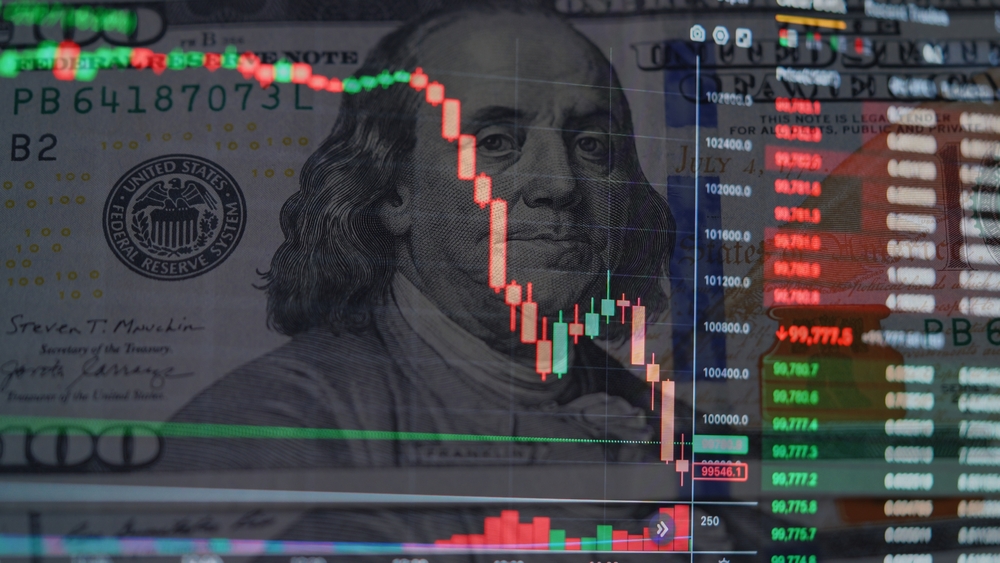
There’s a subtle shift happening right now—and if you’re paying attention, you can feel it.
As geopolitical tensions drag on, the stock market is softening, not collapsing. When portfolios dip, people feel poorer—an important psychological effect.
That feeling—more than any headline—is what begins to ripple into the real estate market.
The Wealth Effect Is Real
Most consumers don’t make buying decisions purely on income. They make them based on perceived wealth.
When someone opens their brokerage account and sees it down 5%, 10%, or more:
- Confidence tightens
- Risk tolerance shrinks
- Big decisions get delayed.
That includes buying a home.
Even highly qualified buyers—especially in markets like Boston and Cape Cod—start to hesitate. Not because they can’t buy, but because they’re questioning whether they should.
What This Means for Real Estate
This shift doesn’t stop the market—it changes behavior inside the market.
Here’s what we typically see:
1. Buyers Become More Price Sensitive
They’re still out there, but they’re sharper.
They analyze more.
They negotiate harder.
2. Days on Market Can Stretch (Slightly)
Homes that are even a little overpriced start to sit on the market.
And you already know this from experience:
If it’s priced right for what it offers, it still flies.
That never changes.
3. Negotiation Returns
In hot, confident markets, negotiation disappears.
In uncertain markets, it comes back.
Not dramatically—but enough that sellers need to be prepared.
But Here’s the Part Most People Miss…
This type of slowdown is often sentiment-driven, not fundamentally driven.
And that’s a big distinction.
The U.S. economy—despite noise—is still:
- Backed by strong employment (even if softening)
- Supported by accumulated household wealth
- Fueled by long-term housing supply shortages
So, the foundation remains.
Real Estate Moves Slower Than Stocks
The stock market reacts instantly.
Real estate doesn’t react instantly.
That lag is important—and it’s where opportunity lives.
By the time real estate fully reflects a sentiment shift:
- The stock market may already be recovering.
- Confidence may already be stabilizing.
So what feels like the beginning of a downturn often turns out to be a brief pause.
A More Balanced Market Isn’t a Bad Thing
Let’s be honest—over the past few years, buyers have been under pressure:
- Multiple offers
- Escalation clauses
- Limited inventory
A slight pullback in confidence can actually:
- Create breathing room for buyers.
- Bring more rational pricing into play.
- Reward well-prepared sellers
That’s not a crash—that’s a reset toward balance.
The Key Principle Still Holds
No matter what’s happening globally, locally, or financially:
A property priced right for its condition and location always gets attention.
You’ve seen it firsthand.
Even in uncertain weeks, there are still bidding wars—because value cuts through fear.
The Positive Spin: This Is Likely Temporary
Markets don’t move in straight lines.
Confidence dips. Then it rebuilds.
And when it does:
- Buyers who paused come back.
- Competition returns
- Prices stabilize or climb again.
The U.S. economy has proven time and time again that it’s resilient—especially in housing.
What Smart Buyers and Sellers Do Right Now
Buyers:
- Stay engaged, not emotional.
- Look for opportunity in hesitation.
- Negotiate—but don’t overplay your hand on great properties.
Sellers:
- Price inside the trading range (not above it)
- Prepare your property to stand out.
- Understand that the first 2–3 weeks matter more than ever.
Final Thought
Uncertainty doesn’t kill real estate markets—it reshapes them.
And in many cases, it creates the exact kind of environment where:
- Smart buyers win
- Prepared sellers still succeed.
- Professionals who understand the market’s psychology stand out.
This moment? It’s not something to fear.
It’s something to understand—and use.


