 See photos and updates from listings directly in your feed
 Share your favorite listings with friends and family
 Save your search and get new listings directly in your mailbox before everybody else
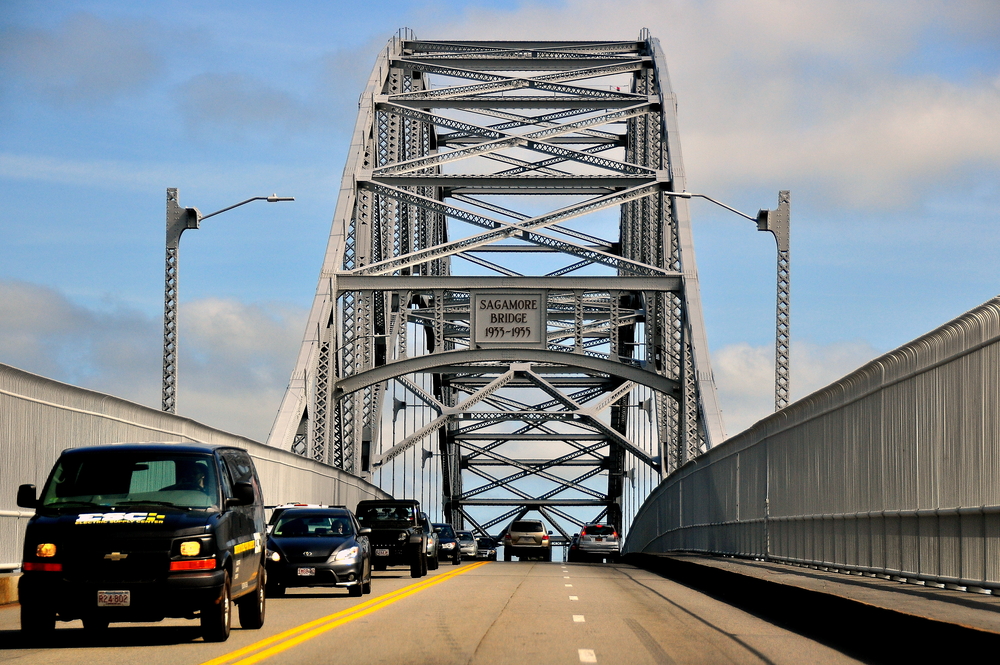
Every summer, Cape Cod’s population roughly doubles, swelling from its year-round base of ~220,000 residents to over 500,000 people—a mix of tourists, seasonal homeowners, and second-home vacationers. That surge has real consequences on traffic, travel logistics, local services, and visitor experience.
1. Traffic Jams and Bridge Bottlenecks
- Two choke‑points: The Sagamore and Bourne Bridges funnel nearly all vehicle traffic onto the Cape. In summer, daily volumes rise 49% (Bourne) and 59% (Sagamore) compared to the off‑season.
- On weekends—especially holiday weekends—peak congestion spills across Route 25, Belmont Circle, and Scenic Highway, creating gridlock.
- To put it in perspective, over the July 4th weekend, vehicles heading in line from Bourne would stretch to Myrtle Beach, SC.
Impact for visitors:
Expect long waits at bridge tolls—not because they’re tolled, but due to traffic backups. Once inside, local roads, parking lots, and intersections get clogged, adding delays and travel stress.
2. Public Transit: A Lifeline in the Heat
- The CapeFLYER seasonal train operates on Fridays through Sundays between Memorial Day and Labor Day, traveling from Boston to Hyannis. Ridership reached about 13,600 passengers in summer 2024, easing some bridge congestion.
- The CCRTA bus network expands in the summer, operating daily until midnight with local shuttles in Hyannis, Provincetown, Woods Hole, and the “The Breeze” route, which serves all towns.
Impact for visitors:
Opt for the CapeFLYER to avoid bridge traffic, or rely on CCRTA buses for park-and-ride services instead of driving on Cape roads—book early, especially on summer weekends when trains and buses fill up quickly.
3. Infrastructure Pressure
- Summer tourism generates more than $2.6 billion for Cape Cod’s economy, funding over 14,000 jobs and yielding nearly $250 million in room and meal tax revenue.
- But this influx stresses bridges, rotaries, parking infrastructure, and essential services. Studies show that 10 out of 37 intersections fail (level E or F) during peak summer hours.
Impact for visitors:
You may experience delays at traffic signals, a lack of space in parking lots and garages, and occasional detours or roadwork, especially around the Bourne and Sagamore rotaries.
4. Seasonal Staffing Crunch
Cape Cod depends heavily on approximately 5,000 J‑1 visa holders for seasonal hospitality jobs. In 2025, the workforce shrank to just 2,100, creating a shortfall of ~3,000 workers.
Impact for visitors:
Expect slower service at restaurants, longer check-in times at accommodations, and reduced availability of ferries or shuttles. Plan for reservations and forgiveness in case of service delays.
5. Alternative Transport: Ferries & Shuttles
- Ferries (e.g., Hyannis ↔ Nantucket, Provincetown) offer a scenic but sometimes pricey alternative—around $76 one-way from Boston, according to.
- Limited ferry capacity means bookings are essential, particularly on peak summer days.
Impact for visitors:
Ferries allow you to bypass bridge congestion, but require planning. Shuttles connect towns well—very useful once parking is full, but may not reach every beach or hidden spot.
Planning Tips for Summer Travelers
1. Book CapeFLYER tickets early
Avoid bridge backups by taking the seasonal train from Boston to Hyannis. It’s stress-free and lets you arrive refreshed.
2. Use CCRTA buses and park-and-rides
Save time and gas by using Cape Cod’s expanded summer bus system. Shuttles connect major towns and attractions, running daily until late at night.
3. Allow extra buffer time
Whether you’re heading to the beach, dinner, or just out exploring, add 15–30 extra minutes for traffic, parking, and longer service times.
4. Reserve accommodations and restaurants in advance
Hotels and restaurants fill up quickly, especially on weekends. Book ahead to avoid long waits or limited availability.
5. Be flexible with ferry schedules
Ferries to Nantucket or Martha’s Vineyard can book up fast. Try traveling on off-peak days and arriving at the dock early to secure your spot.
Final Takeaway
Cape Cod’s summer charm comes at a cost: doubled populations, gridlocked roads, and stretched services. However, by preparing ahead—taking public transportation, planning ferry crossings, reserving in advance, and budgeting extra time—you can make your visit smoother and more enjoyable, rolling with the rhythm of summer’s rush.
Remember: Cape Cod shines brightest in summer—but it helps to shine smart, too.
Would you like a quick guide to specific bridge delays, parking hotspots, or ferry schedules? Happy to help tailor your trip!


